

 Tiếng Việt
In the context of rising energy costs, increasing emission reduction requirements, and stricter “green supply chain” standards, energy transition is becoming an inevitable trend for Vietnam’s economy. Beyond being electricity consumers, many private enterprises are now actively participating in the development of renewable energy, investing in green power infrastructure, and providing operational optimization solutions for industrial production. The increasingly significant involvement of the private sector is considered a key driver in promoting a more sustainable and flexible energy transition.
Energy Transition Is No Longer an Option
In recent years, the trend toward clean energy adoption has not only stemmed from environmental requirements but has also become closely tied to business competitiveness. Major markets such as Europe, the United States, and Japan are implementing increasingly strict standards related to carbon emissions, green traceability, and the use of renewable energy in manufacturing. This has prompted many Vietnamese enterprises, particularly export-oriented manufacturers, to pay greater attention to optimizing electricity consumption and reducing dependence on conventional power sources. As a result, demand for rooftop solar systems, energy storage systems, and smart energy management solutions has grown rapidly.
In this transition process, private enterprises are considered highly adaptive forces capable of quickly adopting new technologies and implementing energy models that align with practical market demands.
The Private Sector Is Driving the Renewable Energy Market
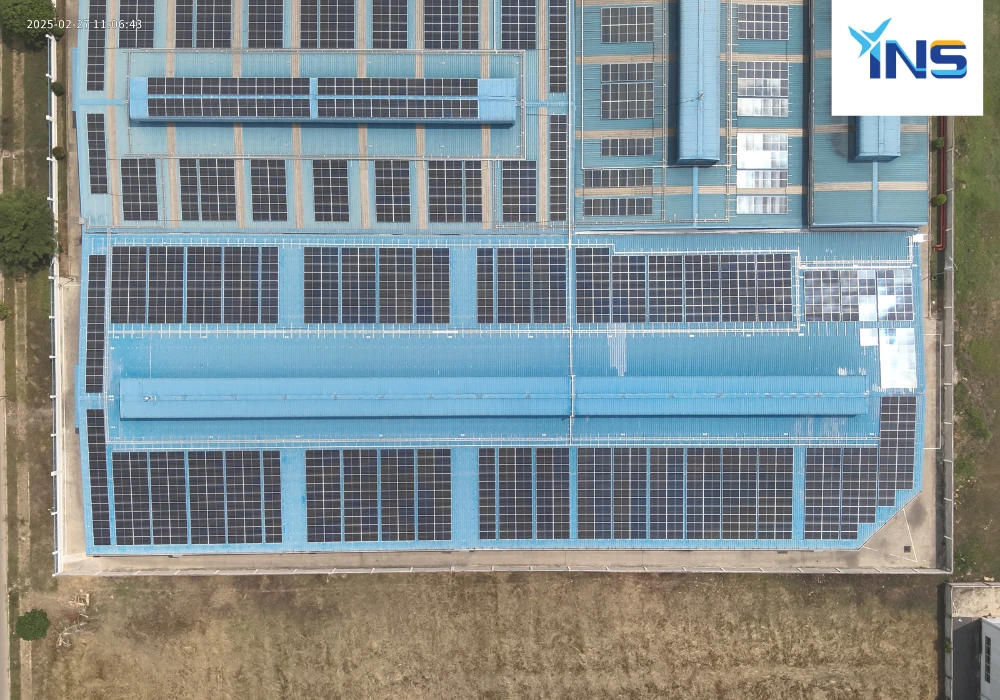
In practice, most industrial rooftop solar projects today involve strong participation from private enterprises. Beyond acting as investors, many companies are directly involved in the energy supply chain through engineering, procurement, construction, operation, and system optimization activities.
Following new market trends, private enterprises are no longer focusing solely on solar installation but are gradually expanding into comprehensive energy solutions such as Battery Energy Storage Systems (BESS), Energy Management Systems (EMS), and microgrid models within industrial parks.
The participation of the private sector contributes to accelerating the energy transition thanks to investment flexibility, practical implementation capability, and proactive technological innovation. This also helps diversify Vietnam’s renewable energy market rather than relying entirely on public resources.
Supporting Businesses in Operational Optimization
Amid continuously rising electricity costs, many manufacturing enterprises are no longer focused solely on reducing expenses but are also aiming to ensure stable operations and enhance long-term competitiveness.
In response to this reality, private enterprises operating in the energy sector are gradually shifting their role from construction contractors to strategic long-term partners. Instead of providing standalone solutions, many companies are focusing on developing integrated energy ecosystems to help businesses become more proactive in energy usage.
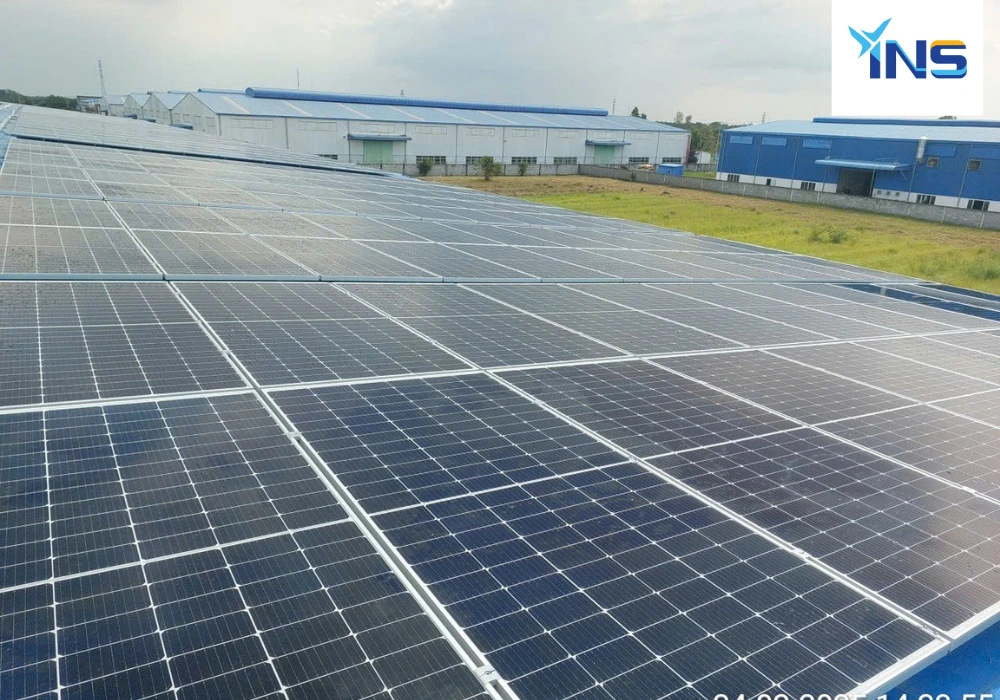
According to the development direction INS Energy has pursued in recent years, energy transition should be viewed as a long-term strategy rather than a short-term solution. The company has gradually expanded its solutions from rooftop solar systems to energy storage and energy consumption management in order to support businesses in optimizing operations and improving energy efficiency.
Policy Support Is Needed to Strengthen the Role of Private Enterprises
Despite playing an increasingly important role, the private sector still faces many challenges in participating in the energy transition process. Issues related to Direct Power Purchase Agreements (DPPA), grid connection procedures, green financing policies, and technical standards for energy storage systems still require further improvement.
Many experts believe that to effectively promote energy transition, it is necessary to establish a more stable and transparent legal framework that encourages businesses to make long-term investments with confidence. At the same time, expanding green credit mechanisms and incentives for clean energy projects would create additional momentum for private enterprises to participate more deeply in the market.
Doanh nghiệp tư nhân sẽ là mắt xích quan trọng của hệ sinh thái năng lượng xanh
Trong bối cảnh chuyển dịch năng lượng đang diễn ra mạnh mẽ trên toàn cầu, vai trò của doanh nghiệp tư nhân tại Việt Nam được dự báo sẽ ngày càng rõ nét. Không chỉ góp phần thúc đẩy ứng dụng công nghệ mới, khu vực này còn tạo ra sự linh hoạt và khả năng mở rộng nhanh cho các mô hình năng lượng sạch. Việc kết hợp giữa chính sách hỗ trợ phù hợp và năng lực triển khai thực tế từ doanh nghiệp tư nhân được xem là nền tảng quan trọng giúp Việt Nam từng bước xây dựng hệ sinh thái năng lượng bền vững, đáp ứng yêu cầu phát triển kinh tế trong giai đoạn mới.
Doanh nghiệp đang tìm kiếm giải pháp điện mặt trời, lưu trữ năng lượng và tối ưu vận hành cho nhà máy? Liên hệ INS Energy để được tư vấn giải pháp phù hợp, đồng hành cùng hành trình chuyển dịch năng lượng xanh và phát triển bền vững trong dài hạn.