

 Tiếng Việt
As electricity costs continue to rise and pressure mounts to maintain stable production during peak-demand seasons, many businesses are rapidly shifting toward energy-efficient operations and smarter power consumption strategies. Rather than viewing energy saving as a short-term solution, enterprises are now integrating energy transition into their long-term development strategies to optimize operational costs, strengthen competitiveness, and move toward sustainable manufacturing.
Energy Efficiency Becomes a Long-Term Strategy
At many manufacturing facilities today, energy-saving initiatives are no longer limited to reducing operational expenses—they are increasingly tied to long-term productivity and efficiency goals. Instead of focusing solely on short-term gains, businesses are evaluating energy performance across the entire lifecycle of equipment and operational systems.
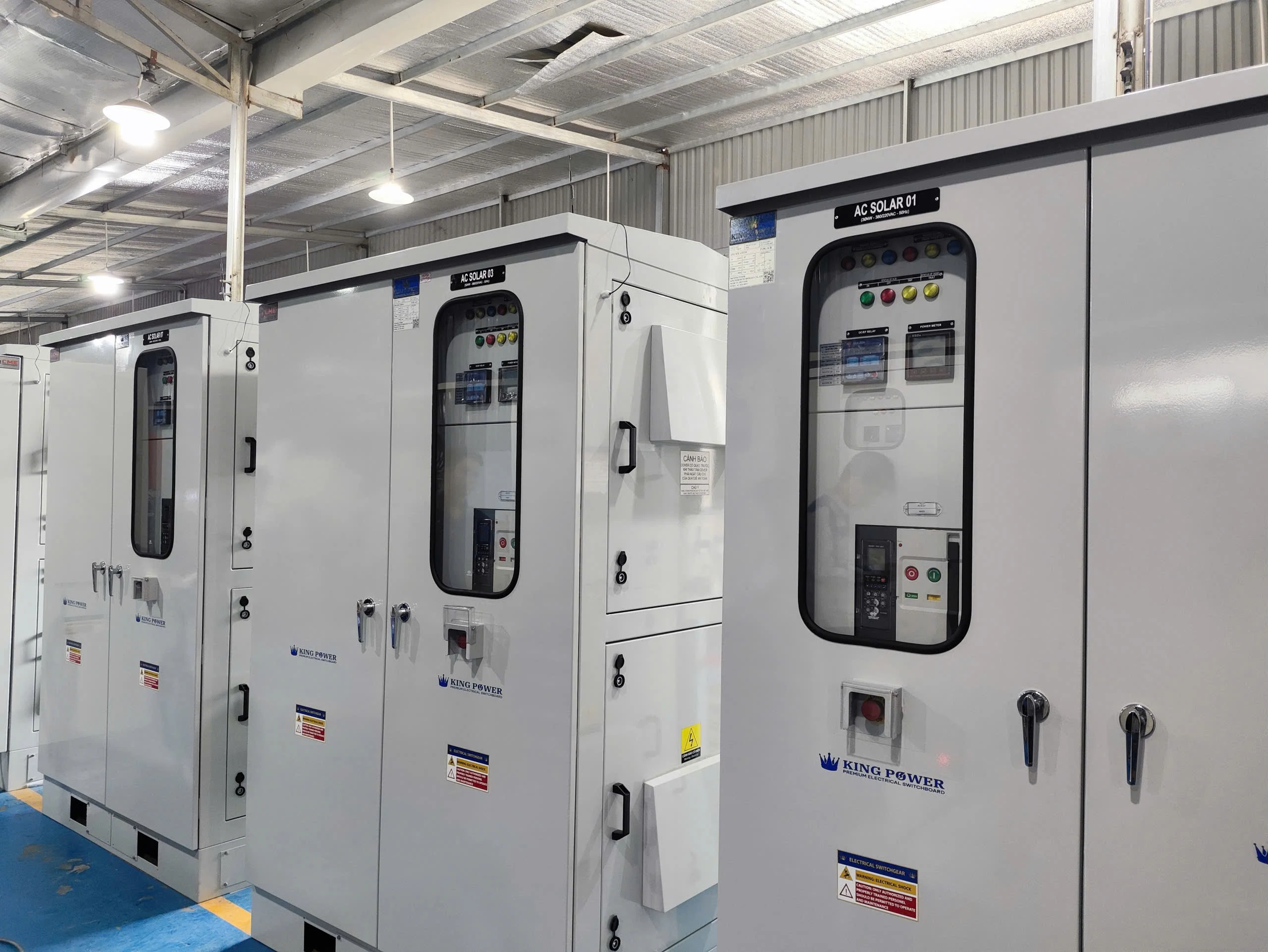
A representative from an electrical equipment manufacturer in Hanoi stated that investing in energy-efficient technologies has significantly reduced operating costs over a 20–25 year service life. Although the initial capital investment may be higher, the long-term economic benefits are substantial thanks to lower electricity consumption and extended equipment lifespan.
This trend is becoming more evident as businesses face rising input costs and increasingly stringent environmental requirements from international partners and export markets.
Rooftop Solar Emerges as a Growing Trend
Alongside energy-saving measures, many businesses are investing in rooftop solar PV systems to secure on-site renewable energy generation. Combining rooftop solar with Energy Management Systems (EMS) enables enterprises to reduce dependence on the grid while improving carbon emission profiles and meeting sustainability standards required in global supply chains.
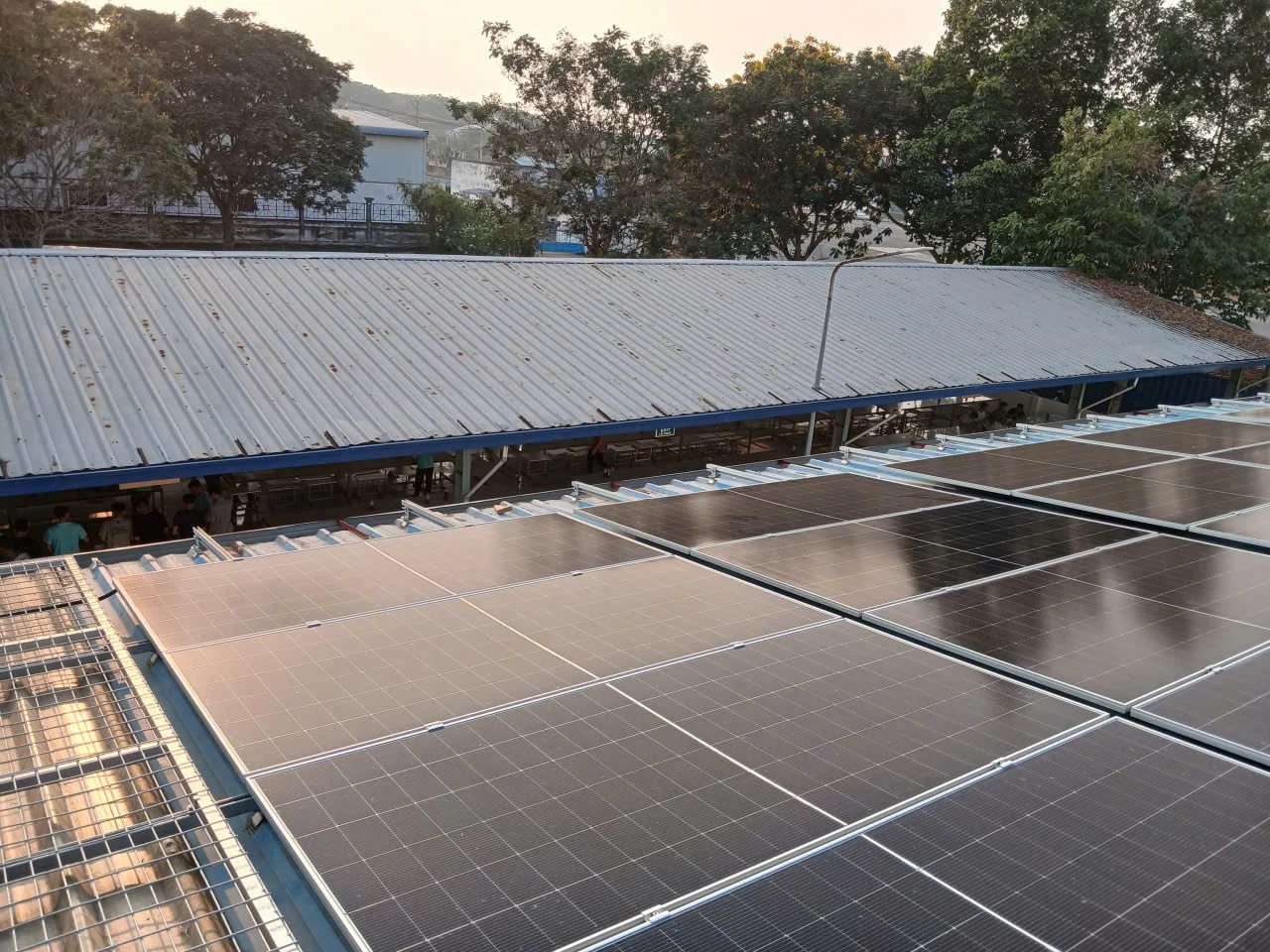
However, businesses acknowledge that effective rooftop solar deployment requires careful evaluation of several factors, including roof structural capacity, grid interconnection capability, fire safety compliance, and long-term financial performance.
Additional Support Mechanisms Needed to Accelerate Energy Transition
Although the energy transition trend is gaining momentum, many enterprises believe stronger support mechanisms are still needed to accelerate adoption. Key areas include green financing incentives, energy audit support programs, technical consulting services, and clearer regulatory frameworks for rooftop solar development.
In addition, encouraging businesses to participate in demand response (DR) programs is considered an important solution for optimizing power consumption and enhancing long-term energy security.
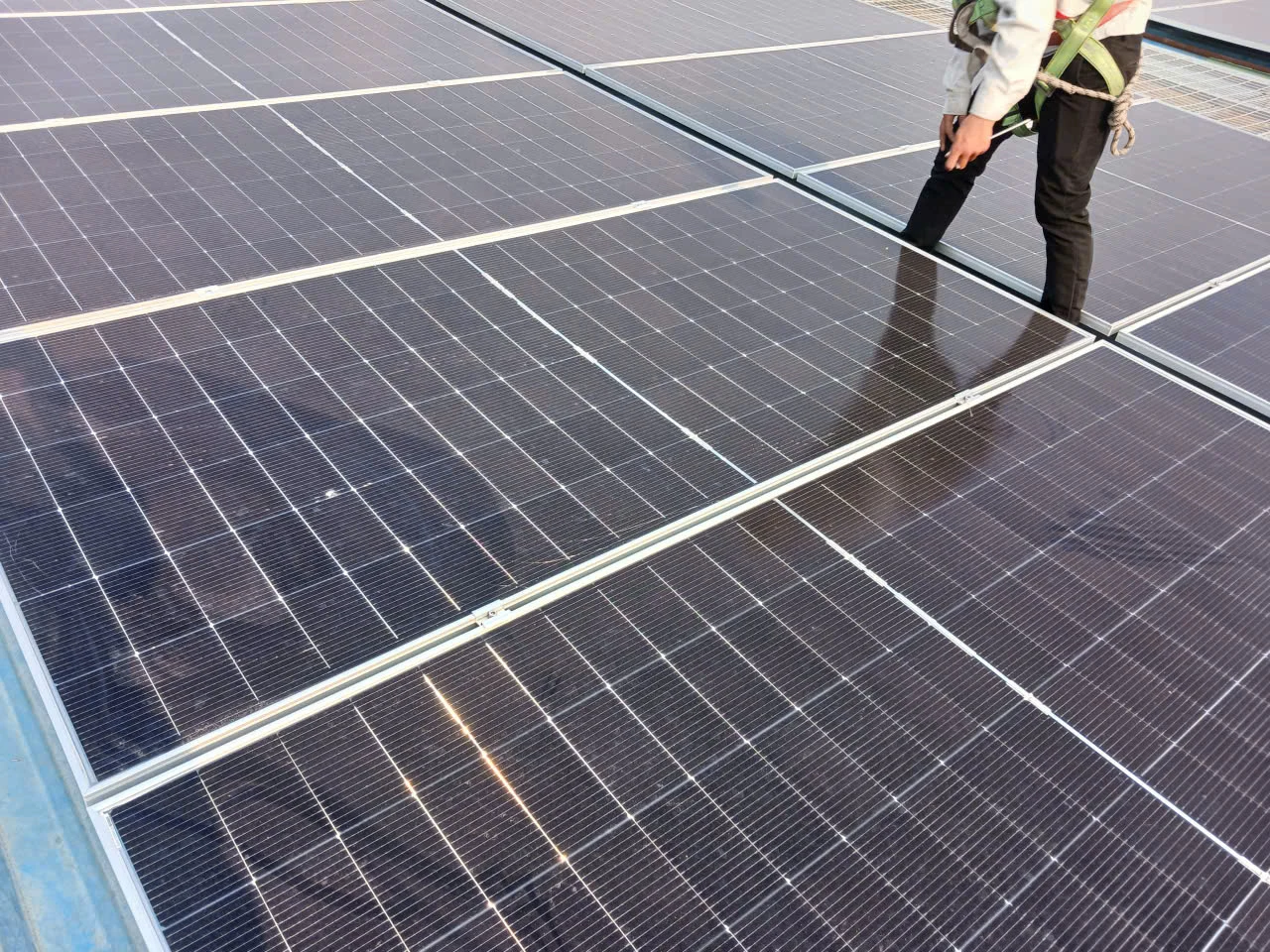
Industry experts emphasize that energy transition is no longer optional for manufacturers—it is becoming an inevitable requirement. When implemented alongside energy-efficient technologies and renewable energy systems, green transformation can significantly improve production efficiency, reduce operating costs, and enhance market competitiveness.
Businesses looking for rooftop solar and energy optimization solutions for their factories can partner with INS Energy y for comprehensive support—from site assessment and engineering design to system operation and long-term performance optimization.