

 Tiếng Việt
When discussing a solar power project, most attention is often focused on solar modules and inverters—the two components commonly regarded as the “heart” of the system. However, according to energy industry experts, the lifespan and operational performance of a project depend not only on the primary equipment but also on the quality of the supporting auxiliary systems. Although less visible, these components play a critical role in ensuring the durability, stability, and long-term performance of the entire project throughout years of operation.
Auxiliary Systems Are the Foundation of a Sustainable Project
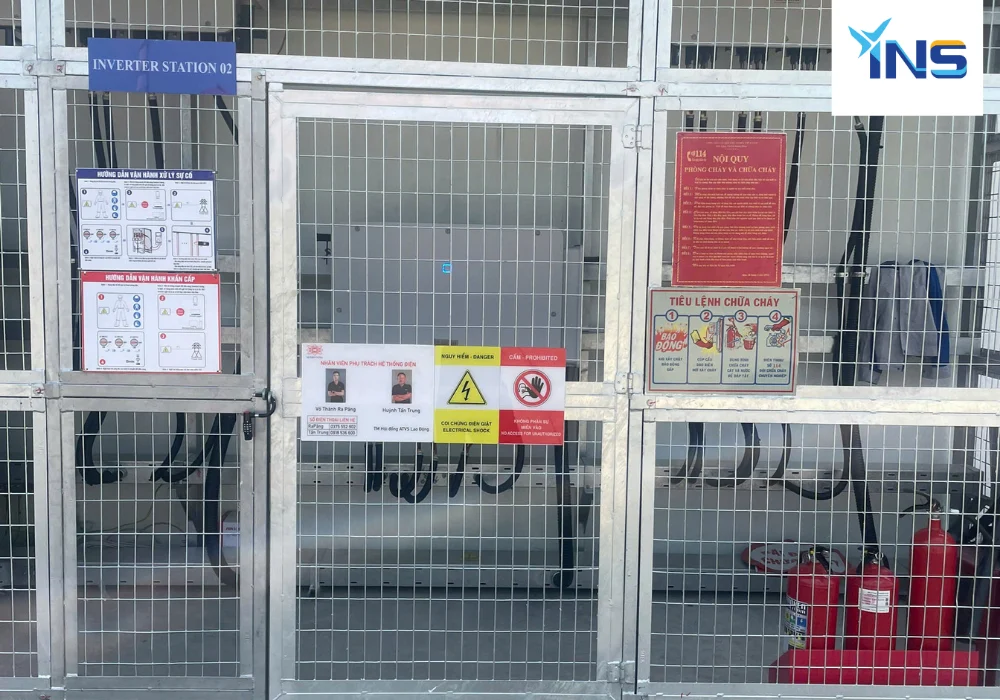
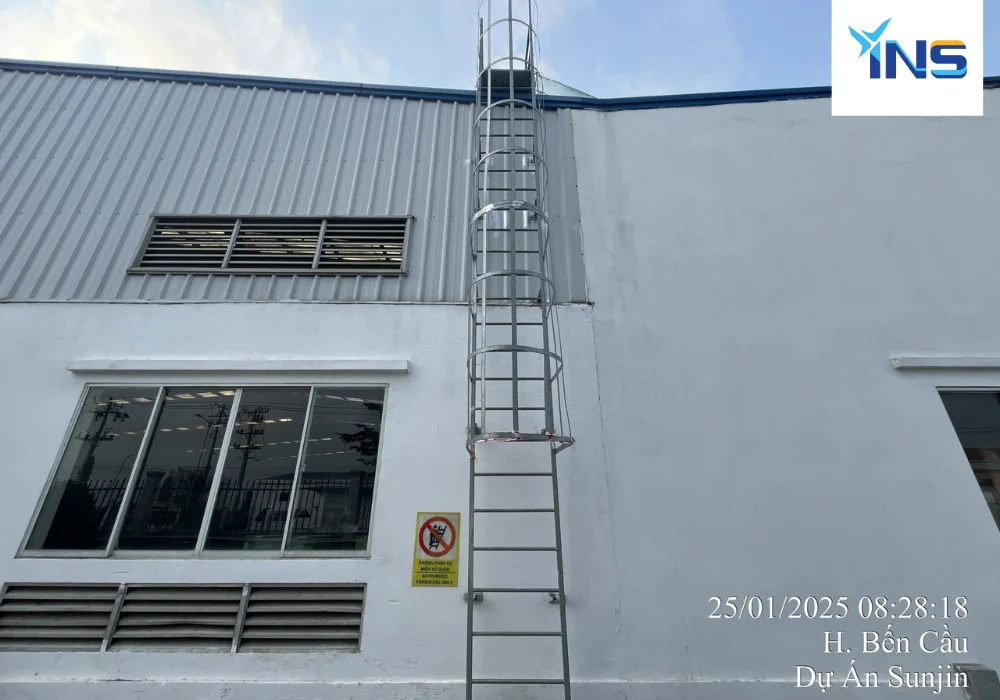
In industrial solar power projects, auxiliary systems include a wide range of components such as electrical cabling, grounding systems, cable trays, monitoring systems, lightning protection systems, energy management solutions, energy storage systems, and other operational support solutions.
While the primary equipment generates electricity, auxiliary systems ensure that power is transmitted safely, reliably, and efficiently. Even a minor issue within the grounding system, electrical connections, or energy management infrastructure can affect the overall performance of the project. As a result, in modern EPC projects, the quality of auxiliary systems is increasingly considered just as important as the quality of solar modules and inverters.
Ensuring Power Quality and Operational Stability
For manufacturing facilities, electricity must not only be available but also stable. Power quality issues such as harmonics, voltage fluctuations, phase imbalance, and reactive power can negatively impact equipment lifespan and cause production interruptions.
For this reason, many businesses are investing in additional auxiliary solutions to improve power quality. Power monitoring and analysis systems enable operators to identify abnormalities at an early stage and implement corrective actions before failures occur. According to INS Energy’s development approach, ensuring power quality is considered a key component of operational optimization and the protection of customers’ energy assets.
BESS and EMS Become Critical Components
Recent market trends indicate that Battery Energy Storage Systems (BESS) and Energy Management Systems (EMS) are becoming essential components of industrial solar power projects.
BESS enables excess energy to be stored, supports load balancing, reduces peak demand, and provides backup power when required. Meanwhile, EMS functions as the central control platform, allowing businesses to monitor electricity consumption in real time and optimize energy usage across multiple power sources.
The integration of solar power, BESS, and EMS not only enhances system performance but also increases long-term energy independence for businesses.
Implementation Standards Determine Project Lifespan
In addition to equipment and technical solutions, project execution processes also have a direct impact on project durability. Under the EPC model adopted by INS Energy, projects are implemented through a professional project management framework based on PMI standards, combined with ISO 9001, ISO 14001, and ISO 45001 management systems. This approach enables comprehensive control of quality, schedule, safety, and risk throughout the entire project lifecycle.
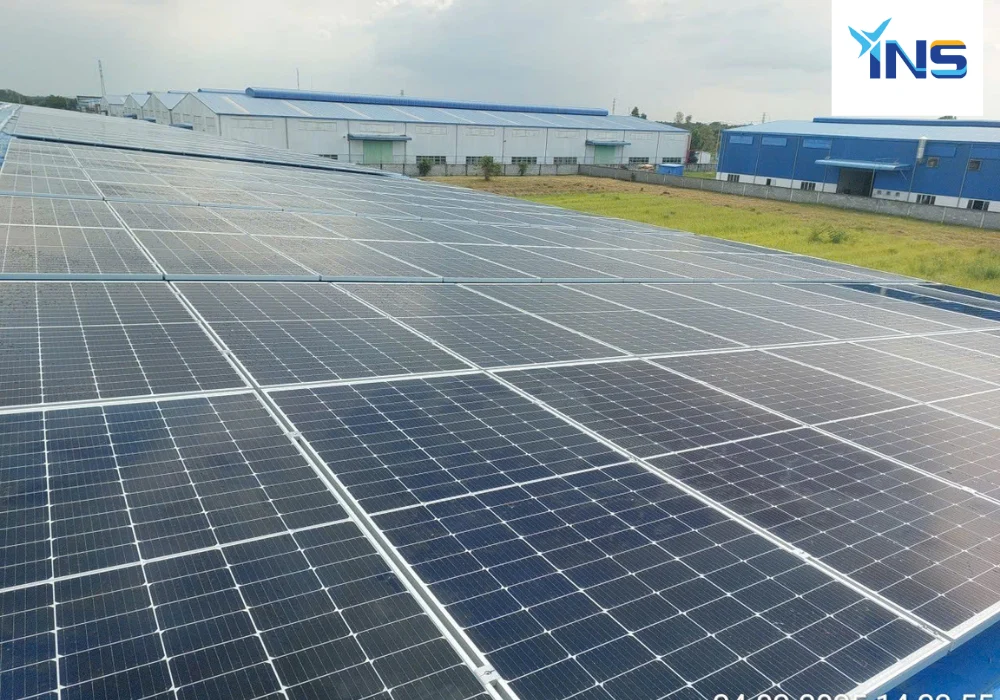
The use of specialized tools such as survey drones, thermal drones, I-V curve tracers, and power quality analysis systems further strengthens quality control capabilities from the initial site assessment stage through final commissioning and acceptance.
Investing in the Right Auxiliary Systems for Long-Term Performance
Practical experience shows that many solar power projects may achieve strong performance during their initial years of operation but experience rapid degradation over time due to insufficient investment in auxiliary systems or inadequate operational management.
As businesses increasingly focus on long-term investment returns, auxiliary systems are no longer considered secondary components. Instead, they have become key factors that determine the durability, reliability, and long-term value of the entire project. This is also why experienced EPC contractors prioritize comprehensive system solutions rather than focusing solely on primary equipment.
Is your business looking for solar EPC, BESS, and EMS solutions for your factory?
Contact INS Energy for tailored consultation and solutions designed to optimize operational performance and maximize system lifespan over the long term.