

 Tiếng Việt
Amid rising electricity demand and increasing pressure on energy security, rooftop solar is becoming a key solution for both businesses and households. Beyond cost savings, this trend reflects a clear transition toward more sustainable and self-reliant energy consumption models.
Surging Installation Demand Nationwide
Across many regions—particularly in industrial zones and major urban areas—the demand for rooftop solar installations is growing rapidly. Manufacturing enterprises are leading this trend by utilizing factory rooftops to generate electricity for on-site consumption.
In practice, many factories have deployed large-scale rooftop photovoltaic (PV) systems, enabling them to self-supply approximately 10% to 20% of their electricity demand. This not only reduces reliance on the grid but also supports compliance with increasingly stringent sustainability and environmental standards.
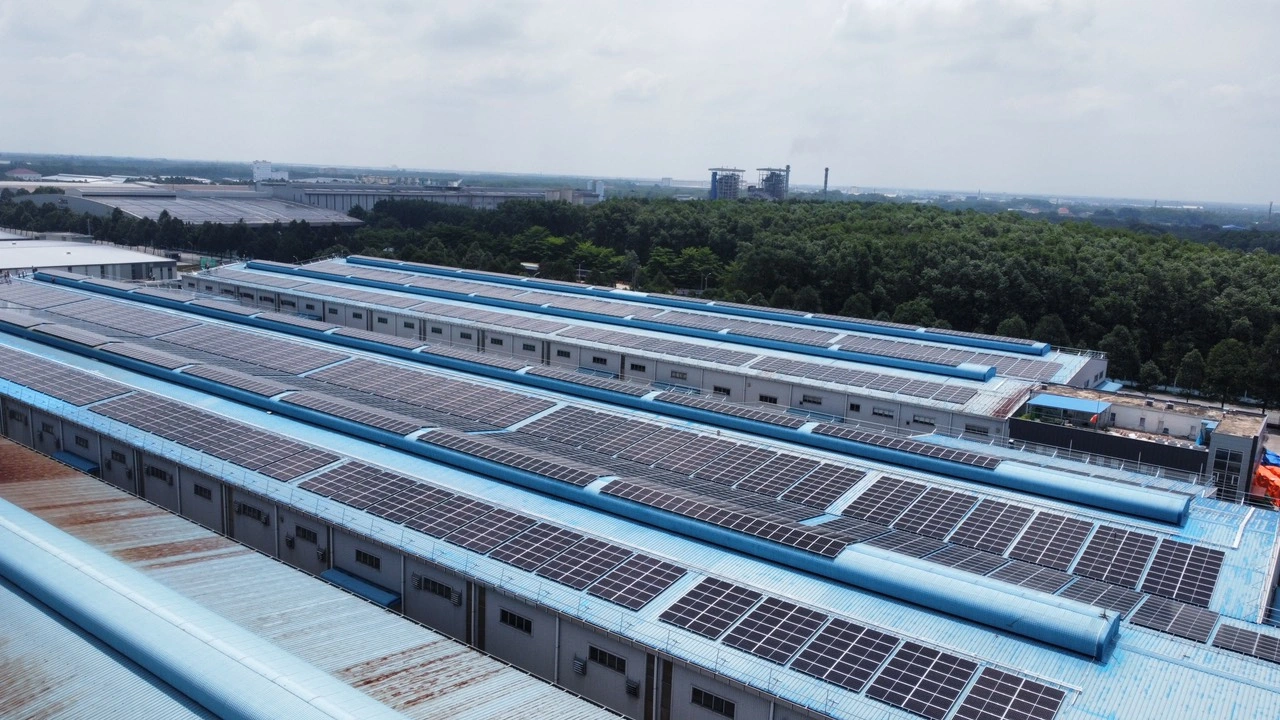
In Southern Vietnam, numerous businesses have invested in MWp-scale PV systems, generating significant annual energy output while reducing CO₂ emissions. At the same time, residential adoption is also rising as households seek solutions to reduce electricity bills.
From Cost Savings to Strategic Energy Planning
From a business perspective, rooftop solar is no longer just a cost-saving measure—it has become a critical component of energy independence strategies. On-site power generation helps reduce dependency on grid electricity, particularly during peak demand periods.
Moreover, the adoption of renewable energy enhances corporate sustainability profiles, helping companies meet stricter requirements from international partners and global supply chains—an increasingly important factor for maintaining competitiveness.
For residential users, integrating rooftop solar with smart energy management systems is enabling an effective “self-generation, self-consumption” model. Each rooftop becomes not only a point of consumption but also a decentralized energy source, contributing to overall grid flexibility.
The Role of Energy Storage and Load Management
Looking ahead, the development trend is shifting from standalone solar systems to integrated energy solutions, combining:
Rooftop solar PV
Battery Energy Storage Systems (BESS)
Smart load management
Energy storage systems play a crucial role by storing excess solar generation during the day and supplying power during the evening or peak demand periods. This helps optimize energy usage while reducing stress on the national grid. Experts suggest that accelerating this transition will require clear incentive mechanisms for energy storage deployment, along with a well-defined regulatory framework for grid-connected, self-consumption rooftop solar systems.
Toward a Sustainable Energy Ecosystem
According to national energy development strategies, rooftop solar will continue to be promoted to diversify energy supply and reduce grid load. By 2030, it is projected that up to 50% of households could generate and consume their own electricity through rooftop systems.
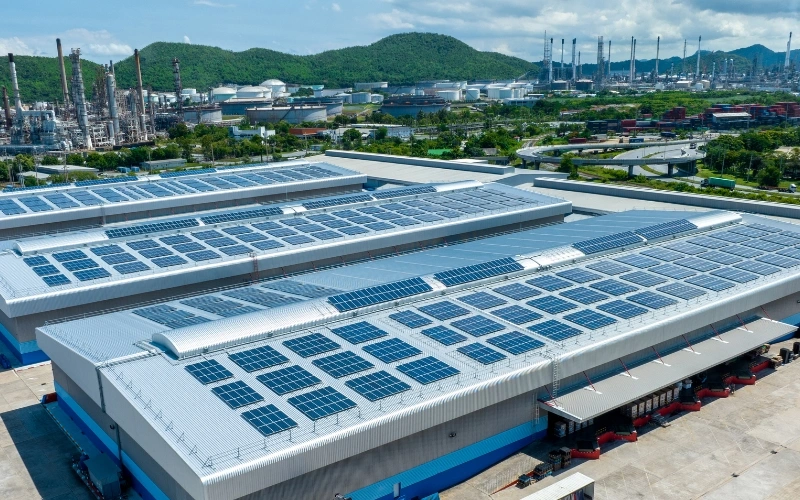
In addition, financial support policies for both businesses and households—especially when combined with energy storage solutions—are expected to further accelerate market growth.
Overall, rooftop solar is not just a short-term response to rising electricity costs but a foundational pillar of a sustainable energy strategy. When integrated with storage and smart management technologies, it will significantly enhance energy autonomy and ensure long-term energy security.
Doanh nghiệp đang tìm giải pháp điện mặt trời tối ưu, dễ triển khai và hiệu quả lâu dài? Liên hệ INS Energy để được tư vấn giải pháp phù hợp, đồng hành từ thiết kế đến vận hành hệ thống.